
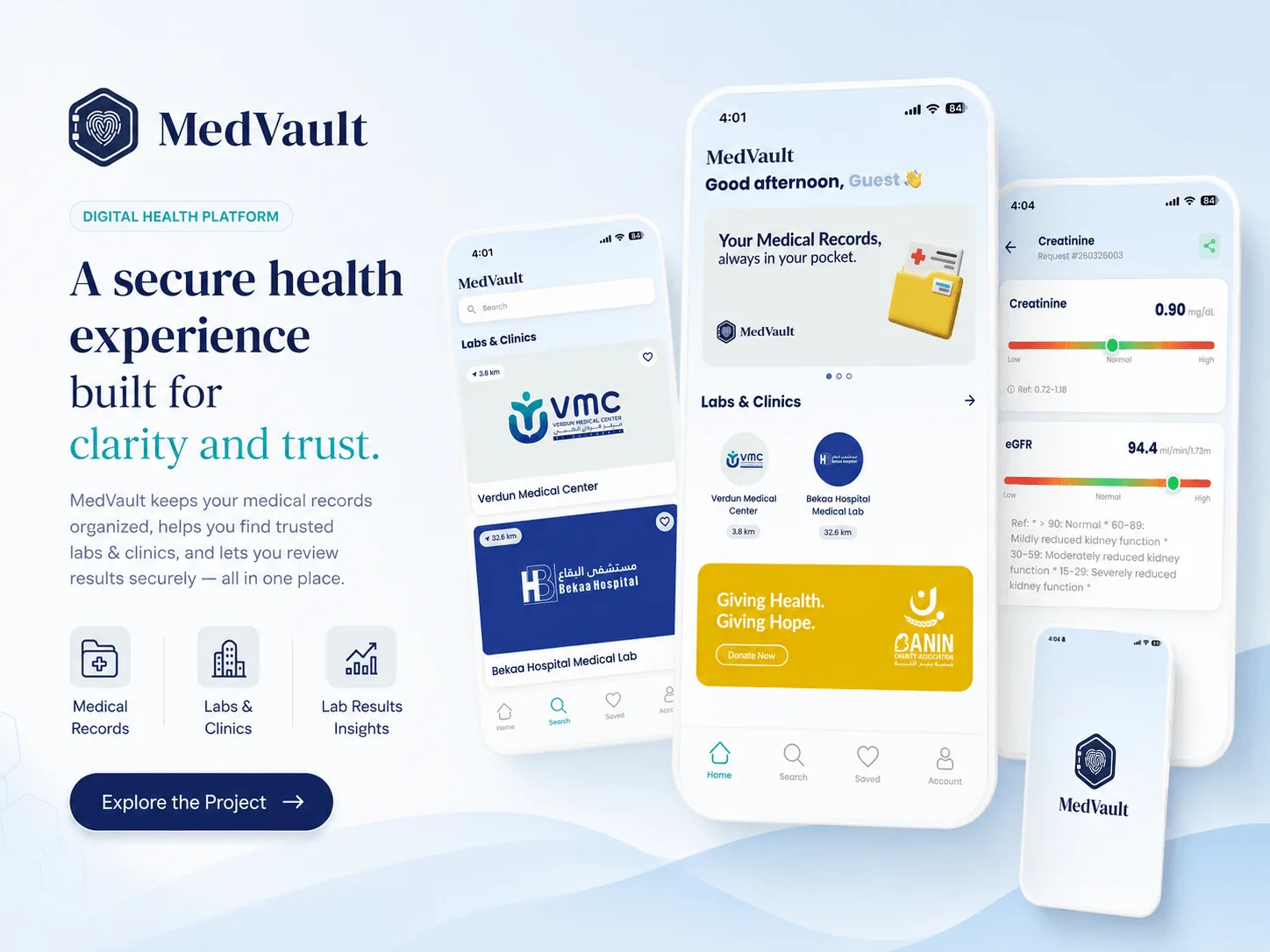
Your medical records, in one place
The patient app, the laboratory system behind it, and an AI that reads your blood test and explains it in one plain sentence. Three products, built by one team so they fit together.
Senior developers from software companies, working as one team. You explain your project once, to the people who will build it.
One team across all of it. Most projects need three or four services at once, and you brief the whole thing in the same conversation.
Why BeirutFlow
You explain your idea once. It reaches the code exactly as you meant it.
A project like yours needs design, web, mobile, backend and often AI. We have all of it in one team, already used to working together.
Hire that yourself and you get separate contracts and separate calendars. You become the person holding them together. When two of them disagree, you are the one who finds out.
So there is no middle. One team, one conversation, straight into the code.
Products we built, launched, and still keep running.
The patient app, the laboratory system behind it, and an AI that reads your blood test and explains it in one plain sentence. Three products, built by one team so they fit together.
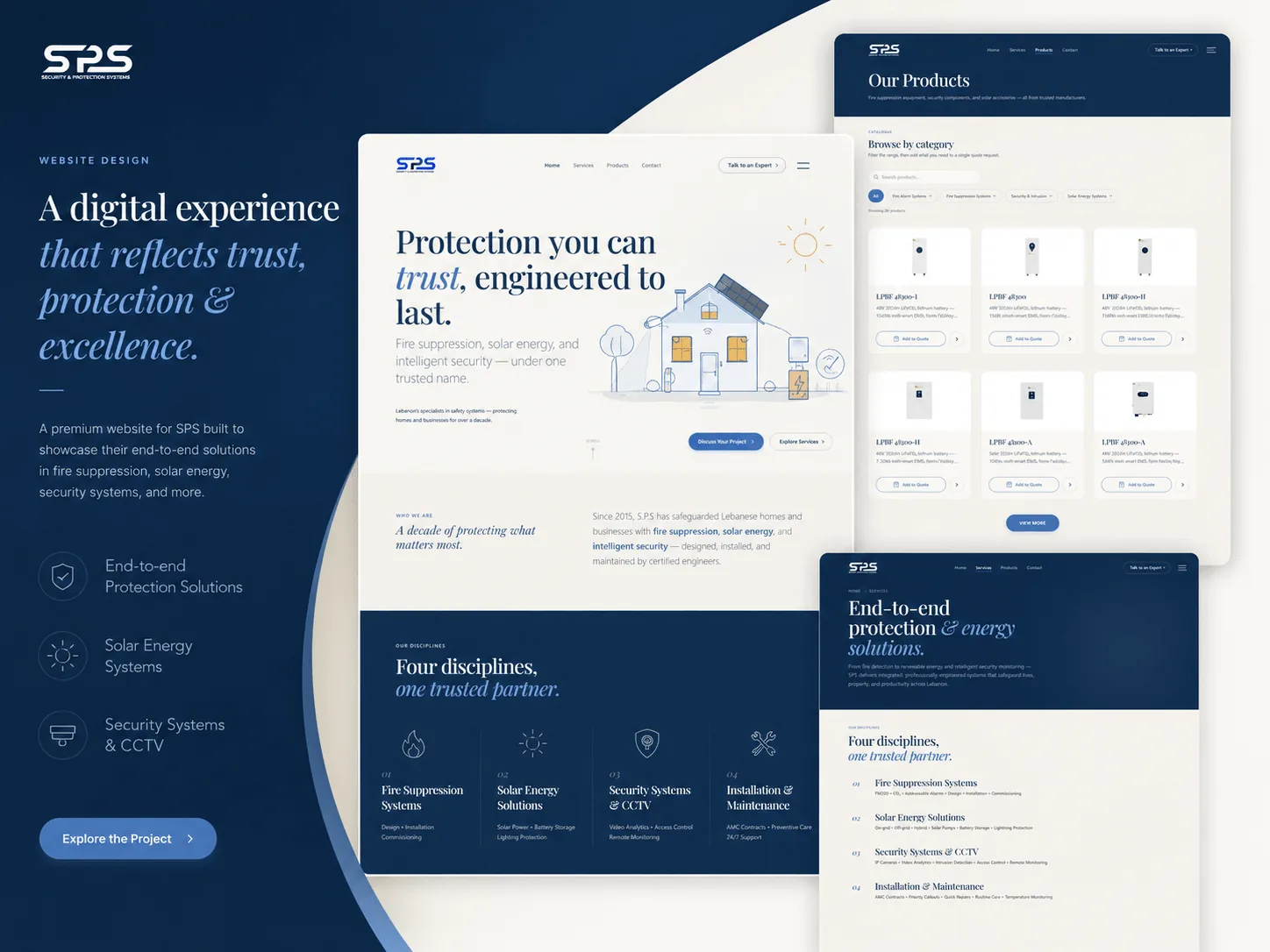
A security and solar engineering firm runs its stock, quotations, invoicing and reporting in here every day. When they need a change, they message the developer who built it.
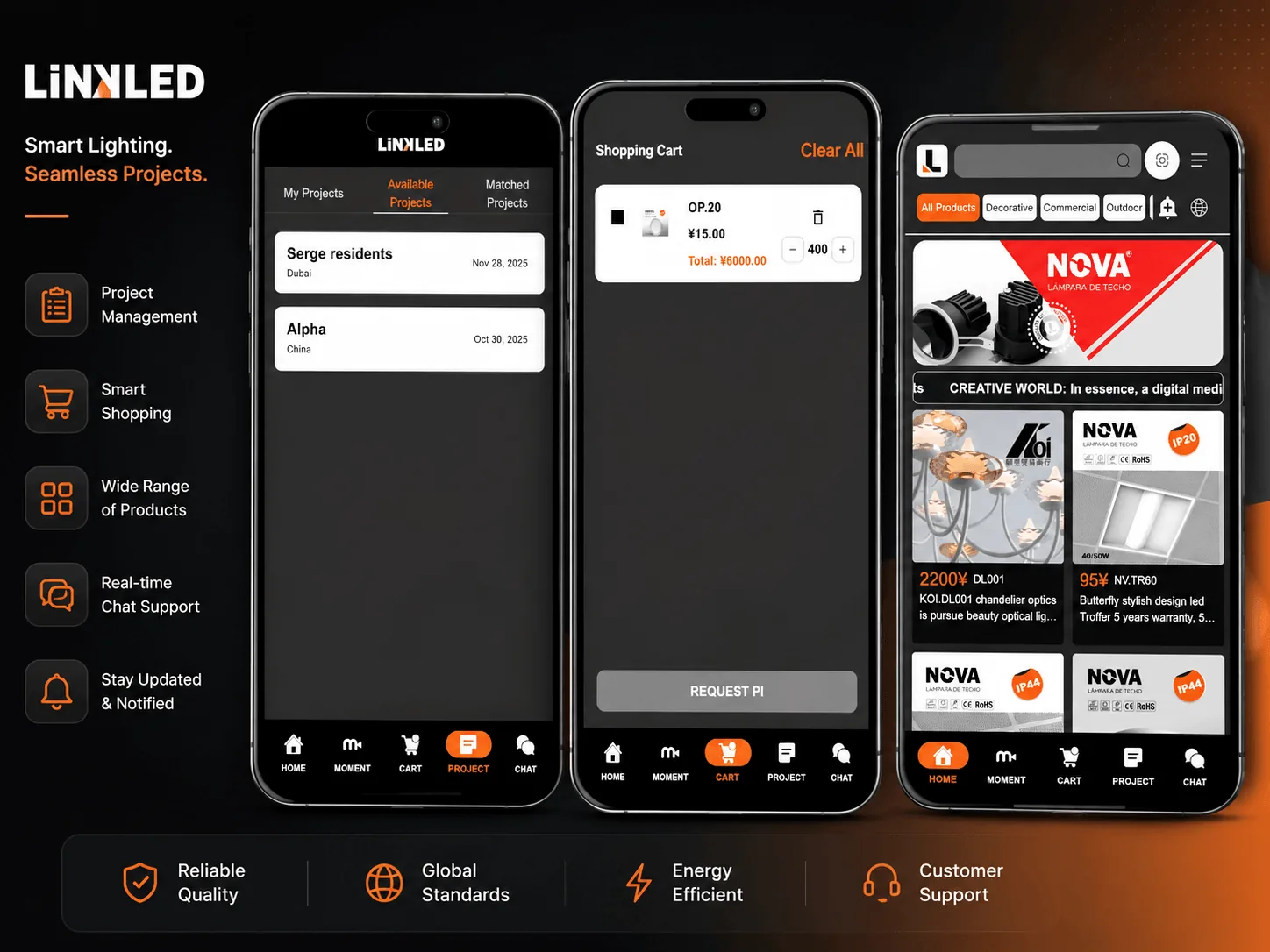
Each seller runs their own storefront. The customer sees one shop: one basket, one checkout, on web and on mobile.
What we believe
A late project is work done twice.
Four stages, whichever service you start with. Each one ends with something in your hands: a written scope, a working prototype, a shipped product.
We start with the questions that decide everything else: what are we building, when is it needed, and what are we leaving out on purpose. You get a written list and a date before any code exists.
We build it in working code, not a picture. You click through it at real speed, with real movement, on the device you will actually use.
The long stage. It arrives in front of you piece by piece, every week, so you are steering it the whole way.
We launch, then watch how people really use it, which is never quite what the plan said. We keep it fast after that, and we keep answering. Everything we have built, we still look after.
Everyone on it has built this kind of product before, inside a software company, for a company that depended on it. Experience is mostly what prevents the second build.
During the build your question does not travel through three people first. You ask whoever wrote that part, and they answer you.
Code, accounts and data, in your name from the first week rather than handed over at the end. It is built so that moving it to another team is a decision, not a rescue.
Launch day does not hand your product to a support address. The developers who built it keep it running, and a year later you are still messaging the same person.
Have something to build?
Send us the rough version. A developer reads it and replies to you directly.
Start a project→