
AI & automation
A blood test, in plain language
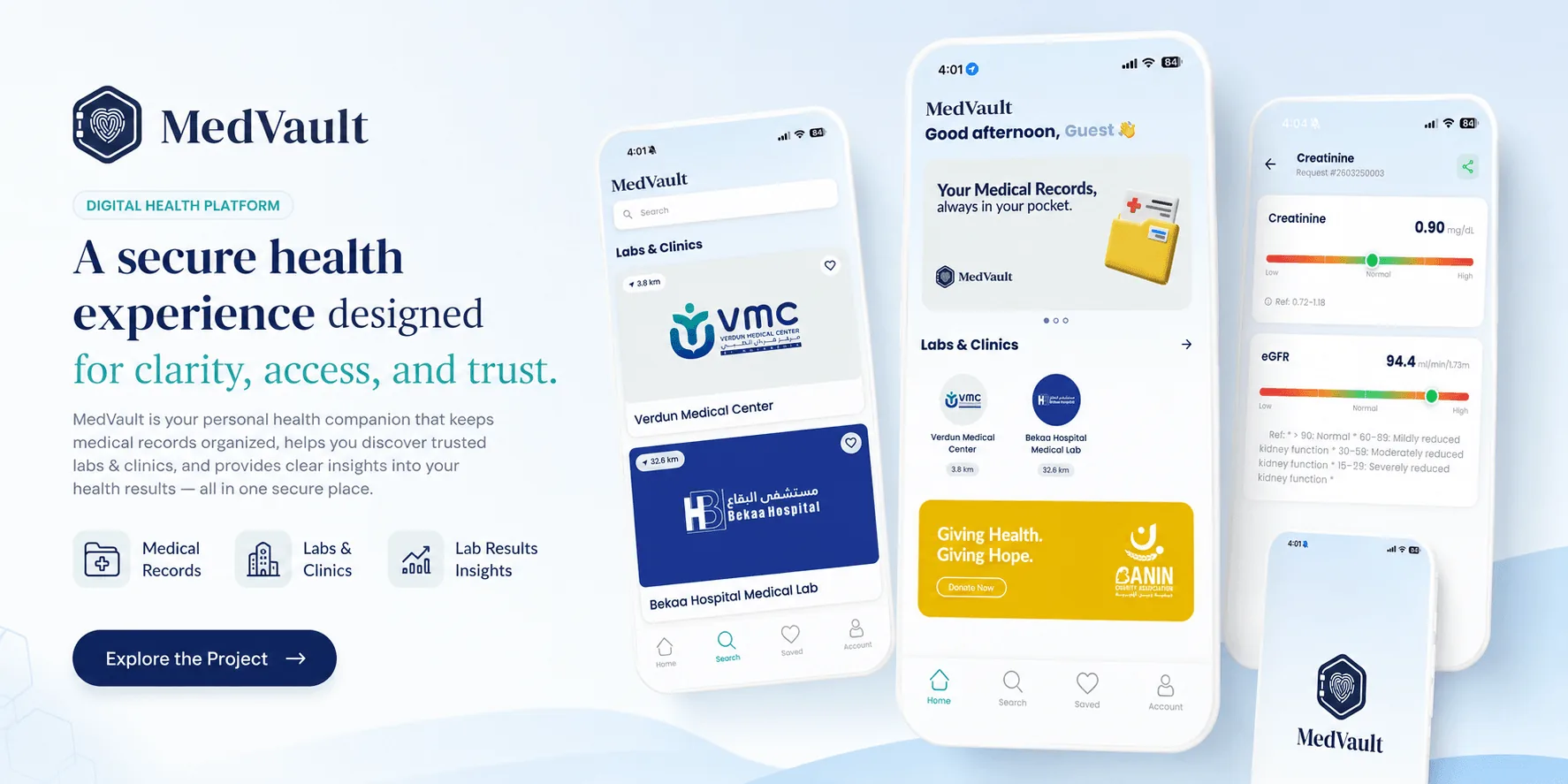
In MedVault, the AI reads a lab report and explains what it means in normal words. Before that, a patient would get a page of numbers and reference ranges and wait for an appointment to have them translated. Now the result and the explanation arrive together.
It is scoped narrowly on purpose. It explains, it does not diagnose, and it says so. That boundary is the reason the feature is safe to ship at all, and drawing it took longer than building it.

AI earns its place in fewer spots than you would think
It costs money on every request, it is wrong some of the time, and it makes a simple feature harder to fix when it misbehaves. So it has to be paying for itself. If a plain rule solves your problem, we will tell you to use a plain rule, even though the AI version is the bigger job for us.
Where it does earn its place is turning something unreadable into something a person understands, or removing a manual step that someone has been doing only because nobody automated it. Both are worth paying for, and we would rather work out which is which during scoping than six months into a build.
What comes with it
Starting with whether you should do this at all, and split by what genuinely needs a model.
AI features
Something unreadable, explainedA lab report, a contract, a statement, turned into words the person holding it understands. This is the MedVault case above, and it is the pattern that pays off most often.
Documents turned into dataInvoices, forms and IDs read into real fields, so somebody stops typing them in. Anything it is unsure about gets flagged for a person.
An assistant that only knows your materialIt answers from your documents and your data, shows where each answer came from, and says when it does not know.
Sorting what arrivesMessages, tickets and applications read and routed to the right person, with the obvious ones handled and the unusual ones passed on.
Search that understands the questionPeople find the right document without knowing the words whoever filed it used.
A draft for a person to finishThe reply, the summary, the report written to ninety per cent, ready to be checked and sent. The last ten per cent is where the judgement is, and it stays with your team.
Automation and the plumbing
The copying between two systemsThe step somebody does every morning because nobody ever automated it. Usually the highest return and the least glamorous work we do.
The report rebuilt every MondayAssembled and sent by itself, from the same sources, at the same hour, without the evening somebody currently loses to it.
Integrations between your toolsAPIs between the systems you already run, so the data in them stops disagreeing.
Files that read themselvesThe CSV a supplier emails, the export a machine produces. Picked up, checked and loaded on a schedule.
Rules where rules are enoughIf a plain rule solves it, we build the plain rule. It costs less to run and it never surprises you.
It tells you when it failsAnything running unattended reports its own failures. Silent automation is worse than none, because you find out from a customer.
Kept honest, and affordable
The assessment firstWhich parts of your idea genuinely need a model, which need a rule, and which need neither. You get that answer before anyone quotes you for a build.
A boundary, stated to the userWhat the feature may and may not do, written on the screen where the person using it can see it. MedVault's AI explains and does not diagnose, and it says so.
A person in the loop where it mattersWhere being wrong is expensive, the model proposes and a person confirms. We agree those points during scoping.
Tested against real examplesA set of your own cases with known right answers, run before launch and again after any change. Otherwise nobody can tell whether an update made it better or worse.
Cost per request, worked out up frontWhat one use costs, and what that becomes at your real volume. This is what makes a feature affordable or not, and it is rarely checked before the build.
Not tied to one providerThe model sits behind our own layer, so it can be swapped when a better or cheaper one appears. They appear often.
Watched, with a limitEvery request logged, spending capped, and a fallback for the days the provider is down.
Run on your own hardwareOptional
Nothing leaves the buildingAn open model running on your own server, for medical, legal or financial data that is not allowed out.
You buy the hardware onceThe cost moves from every use to one purchase. At high volume that is cheaper. At low volume it is not, and we will tell you which one you are.
The honest trade-offA model you host yourself is behind the best hosted ones. For reading and sorting your own documents that gap rarely matters. For hard reasoning it does.
Or keep it hosted, with limitsNames and numbers stripped out before anything is sent, and a written agreement that your data is not used to train anybody's model.
You choose what is keptHow long requests and answers are stored, and who in your company can read them.
It can move laterBecause the model sits behind our own layer, starting hosted and moving in-house is a change of setting, not a rebuild.
What else we build
Most projects need more than one of these. It is the same team whichever you add, so nothing gets handed between companies on the way.
AI & automation
Tell us what you need.
Describe the goal. We will tell you what it takes and what you can skip.
Start a project→